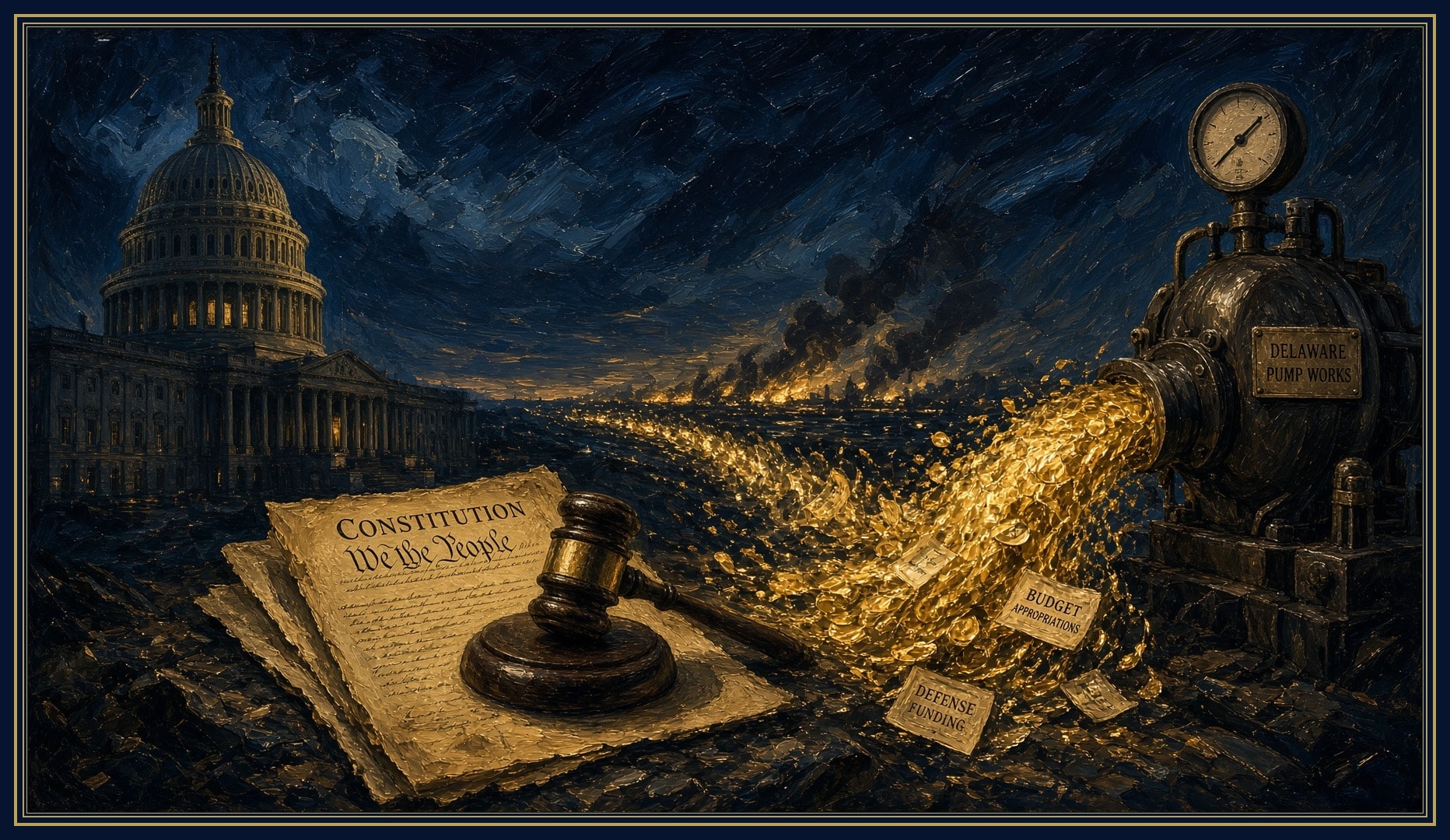
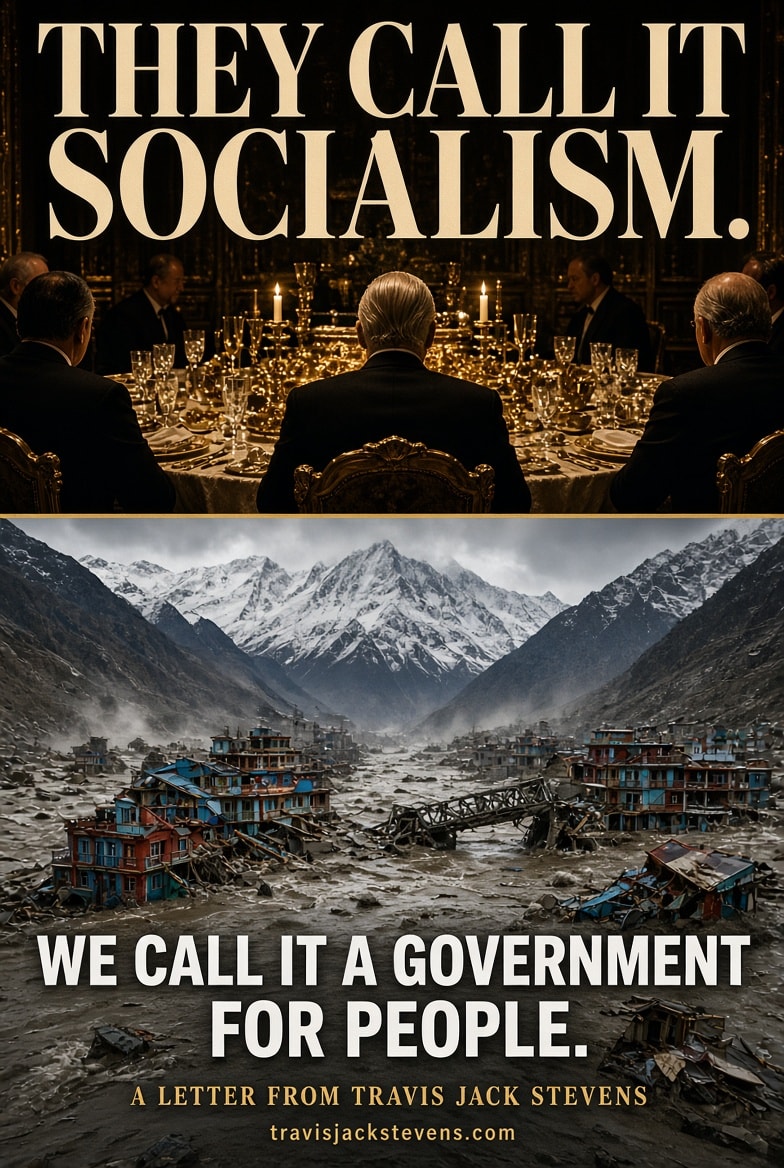
The Bill Arrives: $40 Trillion Debt, Soaring Costs, and the Iran War Distraction

In my earlier report — Two Americas, Part 2: The Debt They Made, The Bill You'll Pay — the national debt had crossed $36 trillion. Every American already owed roughly $107,000 as their individual share. A family of four: $428,000. Run up without our consent by policies that showered benefits on corporations and the top 1% while real wages for the median worker declined.
That was then. This week the debt topped $40 trillion.
Interest costs now rank among the largest line items in the federal budget — exceeding Medicare in some measures. 30-year Treasury yields have climbed near two-decade highs. War spending on the ongoing Iran conflict, tax cuts tilted toward the wealthy, and the compounding interest on prior borrowing drove the milestone.
We are borrowing to pay the interest on money already borrowed. The people who received the tax cuts are not writing those checks. You are. Your children will.
What Families Feel Every Day: Groceries and Gas

The direct impact on families is not abstract. Cost of living remains the biggest challenge facing Americans. Grocery prices, though cooling slightly in some recent data, remain elevated after the Iran war's energy shock transmitted through the supply chain — diesel costs for trucks and ships, fertilizer, and transport. Staples like fruits, vegetables, beef, coffee, and milk have climbed.

Gas prices spiked above $4.50 earlier in the conflict after Iran's closure of the Strait of Hormuz — through which about one-fifth of the world's oil flows. They have hovered near or above $4 since, hitting record August levels in some readings. Americans have already paid tens of billions extra at the pump — hundreds of dollars per household. Consumer confidence has fallen as these pressures reduced inflation-adjusted incomes.
"Every tank you fill is a war tax. Every grocery receipt is a policy choice. Neither was put to a vote." — Travis Jack Stevens
While You Struggle, the Wealthy Get Richer

The same policies that ballooned the debt and sustained elevated energy and food costs have continued transferring wealth upward. Stock markets have shown volatility tied to bond market pressure, with brief Treasury interventions — including increased long-bond buybacks — providing temporary relief before yields climbed again.
Questions have also arisen about whether media leaks from the administration about operations to ease oil shipping disruptions are being used to influence crude prices. In Two Americas, Part 2, I documented how market moves timed to public statements enriched those with advance positioning while ordinary investors and 401(k) holders absorbed the swings. The same upward transfer of wealth continues.
Voters have noticed. For the first time in nearly a decade, a Reuters/Ipsos poll found Americans preferring Democrats over Republicans on the economy. Trump's approval has fallen amid the prolonged conflict he once suggested would be short. The cost of living and the war's economic fallout are top of mind heading into the midterms.
The GOP Distraction: Bessent's "Economic D-Day"

Instead of addressing root causes — fiscal irresponsibility that favors the connected, endless military commitments that drain resources from infrastructure, healthcare, and good-paying jobs at home — the administration is doubling down.
Treasury Secretary Scott Bessent is set to unveil what he calls the "toughest sanctions in history" on Iran, framing it as an "economic D-Day" and "the single greatest financial offensive ever marshaled against an adversary." Senator John Barrasso called Monday "D-Day for Iran's economy." The focus is economic pressure, a naval blockade already in place, and targeting partners — including major buyers of Iranian oil.
"The single greatest financial offensive ever marshaled against an adversary." — Treasury Secretary Scott Bessent, August 25, 2026
This is presented as strength. In reality it is a distraction. The conflict, now months long, keeps oil prices elevated, feeds inflation into groceries and transport, and adds to the debt through military spending. Families feel it every time they fill a tank or shop for food. The wealthy, positioned in assets and markets that can weather or even benefit from volatility, do not feel the same squeeze.
Iran's rial has hit a new record low — but the pain of elevated oil prices and supply chain disruption flows directly back to American consumers. The sanctions theater keeps the war in the headlines and the root causes off the front page.
China Copes — and Gains Ground

While American households absorb higher costs and the wealth gap widens, China's economy has shown notable resilience. Beijing drew on stockpiles, cut crude imports sharply — helping limit global price spikes — shifted toward coal and clean energy, restricted refined-product exports to protect domestic supply, and managed the shock through reserves, subsidies, and industrial policy.
The result: China avoided the worst inflation and cascading effects felt elsewhere, reinforcing its manufacturing competitiveness even as the conflict disrupted energy chokepoints.
The war that raises prices for American families and expands the debt also strengthens a strategic rival's relative position. That is not "winning." It is transferring economic pain downward while our adversaries adapt.
The Root Causes They Won't Name
The pattern is consistent. Record debt. Elevated living costs for working people. Policy energy devoted to prolonging a conflict whose economic consequences hit Main Street hardest. Market-sensitive leaks that benefit those already positioned. Tax policy that favors the top. Military commitments without end. A refusal to prioritize domestic investment in people over endless foreign adventures.
"Earth provides enough for every person's need, but not every person's greed." — Mahatma Gandhi
The GOP plays games with sanctions announcements and market-sensitive leaks while families stretch every dollar further. This is not sustainable. It is not inevitable. It is a choice.
What I Would Do in the Senate
The root causes are clear. The solutions are not complicated — they are simply opposed by those who benefit from the current arrangement.
End the Forever War Premium. Every month the Iran conflict continues adds to the debt and keeps energy prices elevated. A senator who represents working families — not defense contractors and oil markets — pushes for a diplomatic off-ramp, not escalation theater.
Make the Wealthy Pay Their Fair Share. The tax cuts that ballooned the debt were not paid for. Reversing them for the top bracket and closing carried-interest loopholes would reduce the deficit without touching a single working family's paycheck.
Invest at Home. The money spent on military operations abroad could fund infrastructure, clean energy manufacturing, and workforce training — creating good-paying jobs in Delaware and across the country.
Transparency on Market-Moving Leaks. If administration officials are leaking operational information to move commodity prices, that is market manipulation. It deserves a Senate investigation.
A Real Cost-of-Living Agenda. Price transparency in grocery supply chains, antitrust enforcement against consolidation in food and fuel markets, and a windfall profits tax on energy companies that profited from the war premium.
Write TRAVIS JACK STEVENS on your ballot. Zero Super PAC money. People-funded. Focused on ending forever wars, making the wealthy pay their fair share, rebuilding at home, and delivering an economy that works for working people — not the other way around.
The bill has arrived. We decide who pays it.
In solidarity, Travis Jack Stevens Declared Write-In Candidate for U.S. Senate — Delaware travisjackstevens.com
Sources: U.S. Treasury data, AAA gas price data, Conference Board consumer confidence readings, Reuters/Ipsos polling (August 2026), AP News reporting on Bessent sanctions announcement and Iran rial record low, prior campaign reports (Two Americas Parts 1 & 2, AI Special Reports), reporting on China energy adaptation and industrial policy response.
Explore Topics
Written by
Travis Jack Stevens
Travis Jack Stevens spent years as a travel ICU nurse and is a write-in candidate for U.S. Senate · Delaware.